Blog
-

Choose a Research Note Taker That Keeps Every Claim Connected to Its Source
Choose research notes by testing source identity, exact quotations, your own interpretations, attachment paths and exports that preserve the evidence you need.
-

Choose a Team AI Summarizer That Separates Source Content from Permission
Evaluate team AI summaries by separating source content from instructions, tracing important claims and checking permission for actions beyond a draft.
-

The Best AI Summarizer for Long Articles Must Preserve the Whole Argument
Choose a long-article AI summarizer by checking section coverage, overlapping chunks, source anchors and late corrections rather than input capacity alone.
-

An MP3 with Cover Art Still Needs an Audio Check Before Transcription
Inspect MP3 artwork, ID3 metadata, audio packets and the upload error separately. A cover image can appear as an attached picture stream without being…
-

An Email Summary Should Separate the Latest Reply from the History It Quotes
Evaluate email summaries using current replies, quoted history, attachments and timezone-aware dates. Keep requests, commitments and open decisions distinct.
-

Choosing Android Voice Notes with Cloud Sync: Follow the Recording and Its Copies
Check where Android voice recordings, transcripts and edits are stored. Distinguish app sync, Android backup, downloaded copies and a recoverable archive.
-

High-Quality MP3 Conversion Starts with the Source
Choose MP3 conversion by source history, generation loss and the delivered file. Compare lossless controls and a low-bitrate-to-high-bitrate conversion honestly.
-

How to Choose a Multilingual AI Summarizer Without Mistaking Translation for Evidence
Evaluate multilingual AI summaries by language pair, source links, corrections and review effort. Keep translated wording separate from independent evidence.
-

How to Timestamp an Opus Transcript Without Confusing Header Rates with Playback Time
Use the decoded timeline for Opus transcript timestamps. Distinguish the input-rate header, 48 kHz granule clock, pre-skip and an already-trimmed PCM copy.
-

Comparing Trint Exports: Keep Transcripts, Captions and Paper Edits Separate
Compare export workflows by what they preserve: full text, caption intervals, quote selections, source identity and a paper edit’s new timeline.
-

Why an Audio Link Works Now but Fails When Transcription Fetches It Later
Diagnose media-link expiry at retrieval time. Separate queued work, request methods, partial responses and unchanged media before renewing access or retrying.
-

Why a FLAC Transcription Upload Can Fail Even When the Audio Is Lossless
Separate FLAC upload rejection from audio damage. Check decoded samples, metadata changes, missing checksums and truncation before preparing a new copy.
-

How to Summarize a Coaching Session Without Turning Suggestions into the Client’s Plan
Create a coaching-session summary that preserves the client’s goal, selected experiment, rejected suggestions, unknown baseline and agreed sharing scope.
-

How to Check Names and Numbers in a Conference Talk Transcript Without Changing the Result
Review conference-talk names and figures by separating spoken claims, slide evidence, denominators, percentage points, units and cited-paper identity.
-

Descript or a File Transcription Tool? Decide What the Words Should Change
Compare Descript with a file transcription workflow by separating transcript corrections, media cuts, generated replacements and the outputs you need to deliver.
-
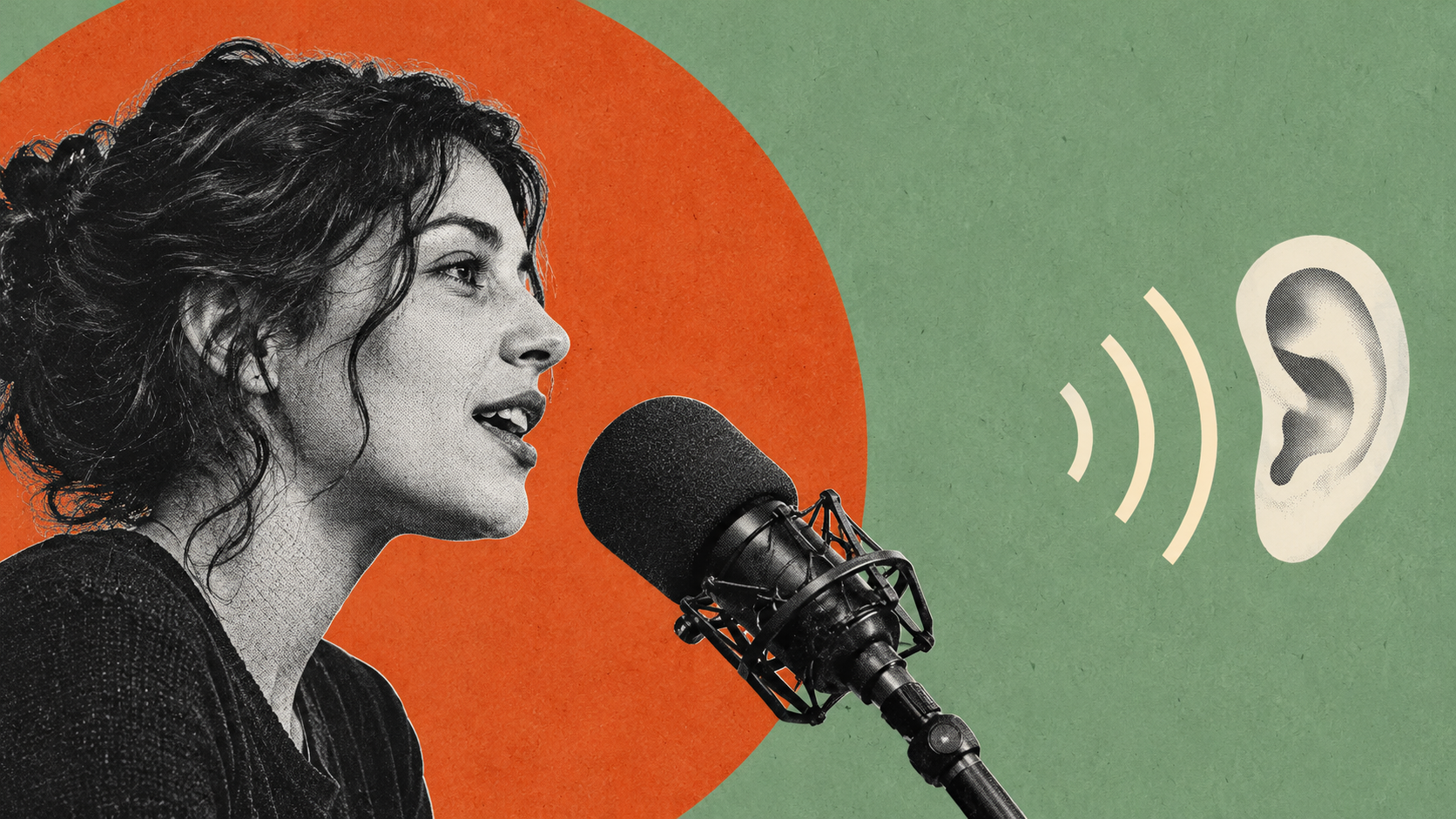
How to Choose a Podcast Transcription Tool for the Transcript You Will Publish
Choose podcast transcription around the published episode, speaker labels, accessible text, timed exports and correction routes across your actual destinations.
-

How to Prepare a Long WAV Recording for Transcription Across the RIFF Size Boundary
Prepare long WAV recordings by checking RIFF and RF64 headers, decoded sample counts, split boundaries and transcript offsets before choosing an upload copy.
-

How to Review Names and Numbers in a Family History Transcript Without Merging People
Check family-history names, dates, ages and household counts while separating spoken wording, narrator clarification, archival clues and identity conclusions.
-

How to Summarize a Sales Call Without Turning Interest into a Commitment
Create a source-linked sales call summary that preserves buyer conditions, budget uncertainty, pilot scope and agreed next steps before updating a CRM record.
-

How to Choose Password-Protected Voice Notes on Android Without Interrupting Recording
Compare app locks, Android private space, Samsung Secure Folder and file-only storage. Check recording continuity, independent credentials and export boundaries.
-

How to Make a Product Demo Searchable When the Useful Steps Are On Screen
Build a searchable product demo with checked speech, separately labeled visual steps, version context and reliable source locations. Test retrieval without inventing narration.