Blog
-
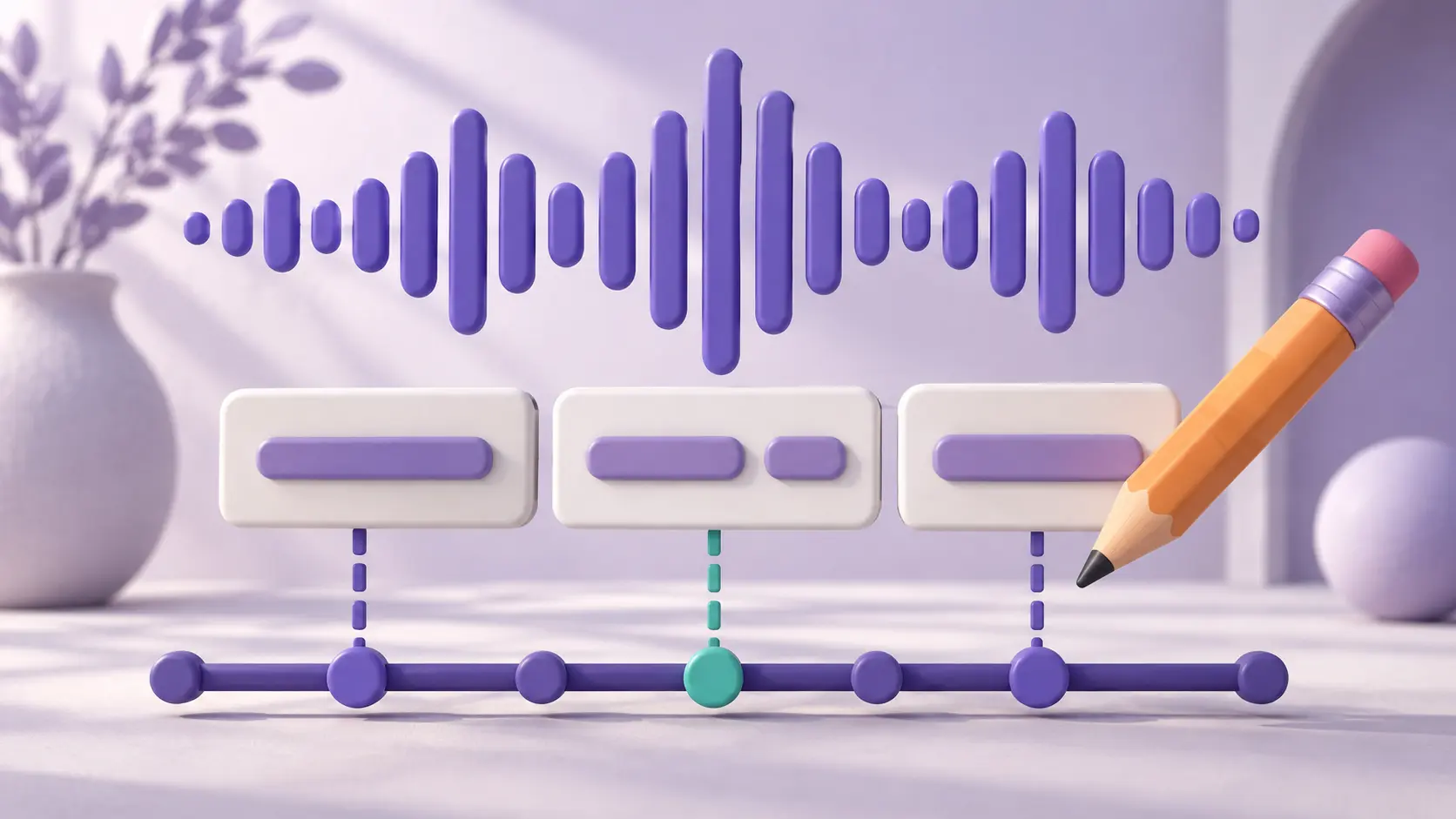
Forced Alignment for Transcripts: Word Timing, Text Errors and Verification Limits
Forced alignment estimates where supplied text belongs in recorded speech; it does not independently certify that the supplied words are correct. Useful evaluation separates…
-

Voice Activity Detection for Transcription: Speech Boundaries, Pauses and Missing Context
Voice activity detection identifies candidate speech regions, but its boundaries are not automatically correct words, speaker turns, or editorial cut points. Detection thresholds, padding,…
-
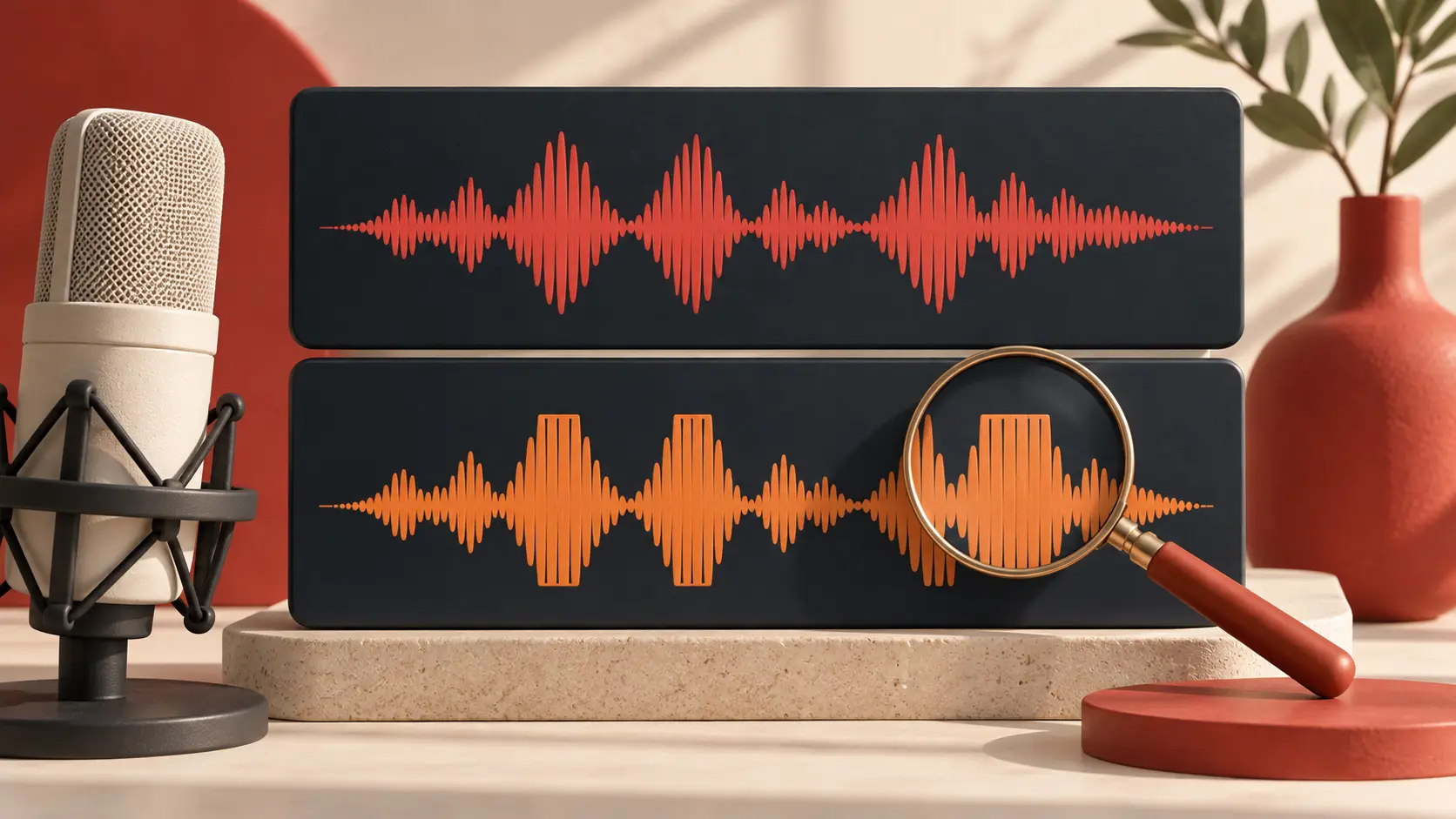
Loudness and Clipping in Recorded Speech: Signal Integrity Before Transcription
Loudness preparation should improve usable listening without concealing damage or changing the evidence of speech. Peak level, perceived loudness, dynamic range, clipping, gain adjustment,…
-

Stereo, Mono and Channel Separation: Preparing Speech Without Losing Speaker Evidence
Channel preparation should preserve the evidence a transcription task needs, not merely produce a familiar file layout. Stereo, mono, independent channels, downmixing, speaker attribution,…
-

Sample Rates and Resampling for Speech: What Conversion Can and Cannot Recover
Sample rate describes how frequently a signal is represented in time, not a universal ranking of transcription quality. Capture bandwidth, resampling, filtering, metadata, timing,…
-
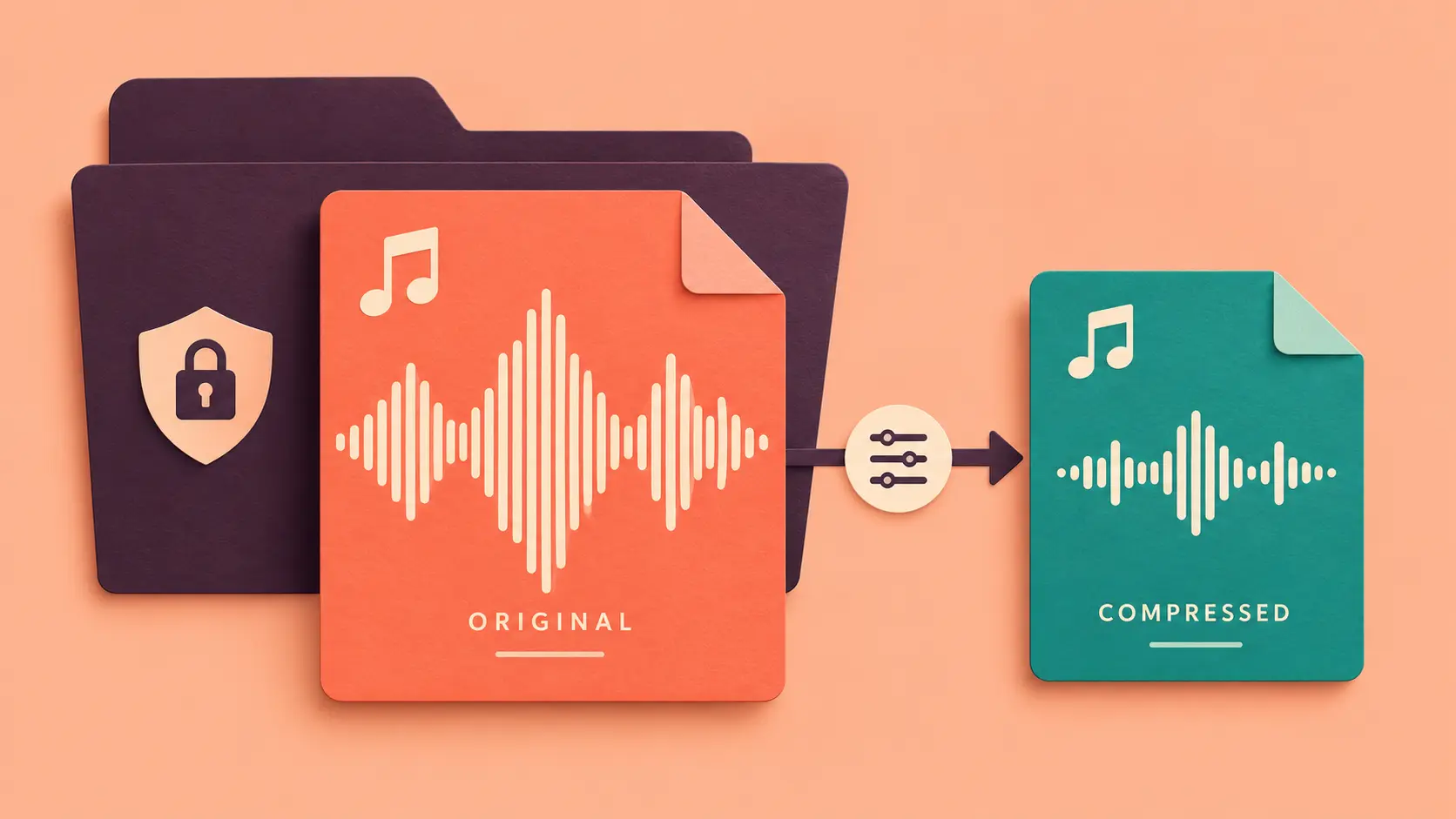
Audio Codecs for Transcription: Lossy Compression, Bitrate and Source Preservation
Codec choice influences file size, compatibility, and the evidence available for transcription, but it does not determine accuracy by itself. Lossy encoding, lossless compression,…
-
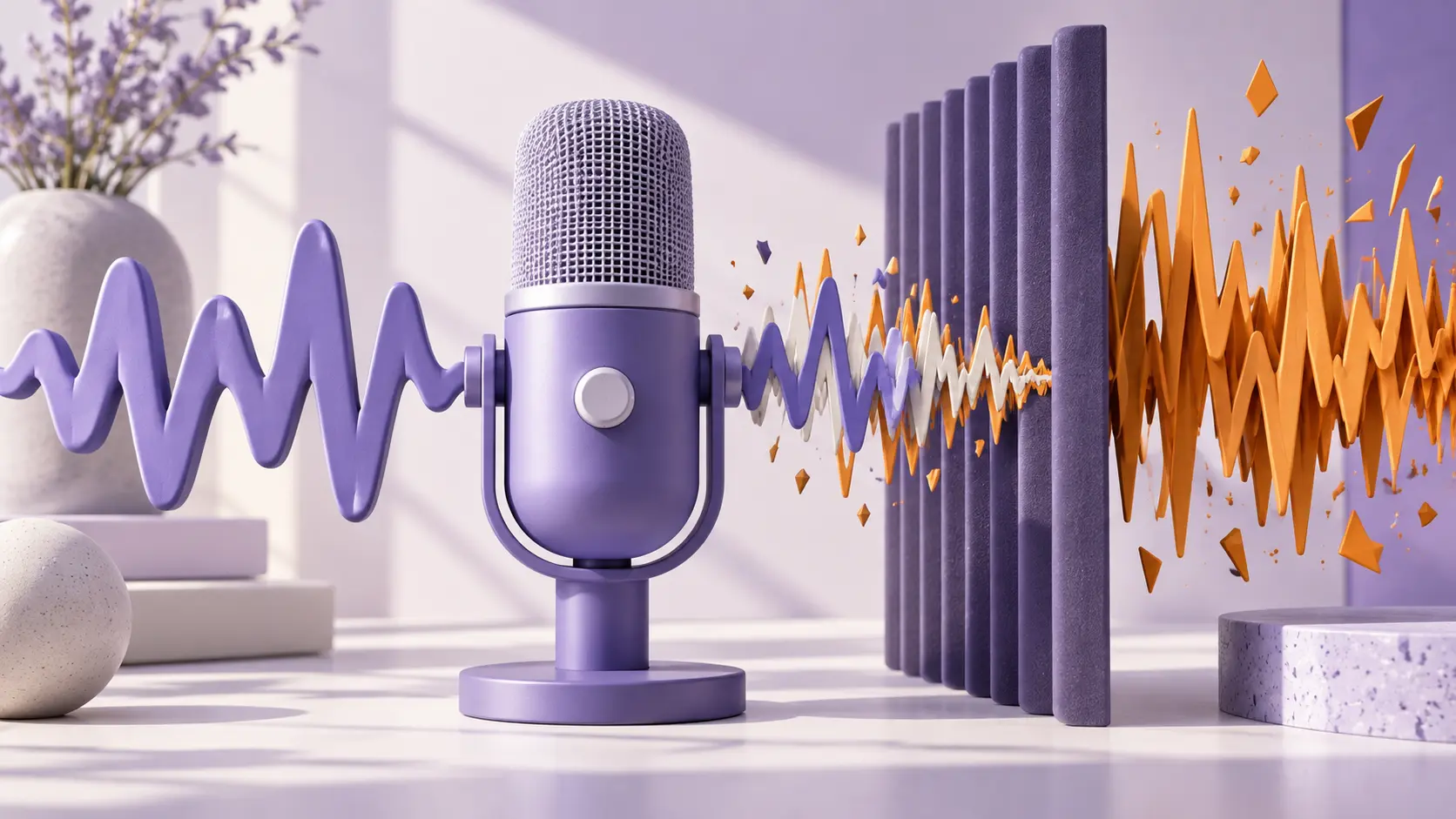
Noisy Audio Transcription: Reverberation, Interference and Recoverable Evidence
Noisy transcription is an evidence problem before it is a cleanup problem. Background interference, reverberation, overlapping voices, recording distortion, and processing artifacts can each…
-

Accent-Robust Transcription Evaluation: Representative Samples and Fair Comparisons
Accent robustness is not established by a language menu or a favorable average on one dataset. A credible evaluation needs representative speakers, defined recording…
-

Negation and Uncertainty in Speech Transcription: Preserving Meaning During Review
Negation and uncertainty are often carried by short expressions that determine the meaning of an entire statement. A missing negative can reverse a decision,…
-

Numbers, Dates and Units in Transcripts: Semantic Accuracy Beyond Correct Words
Numerical transcription requires more than recognizing a sequence of words. A useful record preserves the value, unit, sign, range, and context that determine what…
-

Proper Names and Technical Terms in Transcription: Glossaries, Context and Verification
Proper names and technical terminology are small portions of a recording that can determine whether a transcript is useful. An unfamiliar surname may be…
-
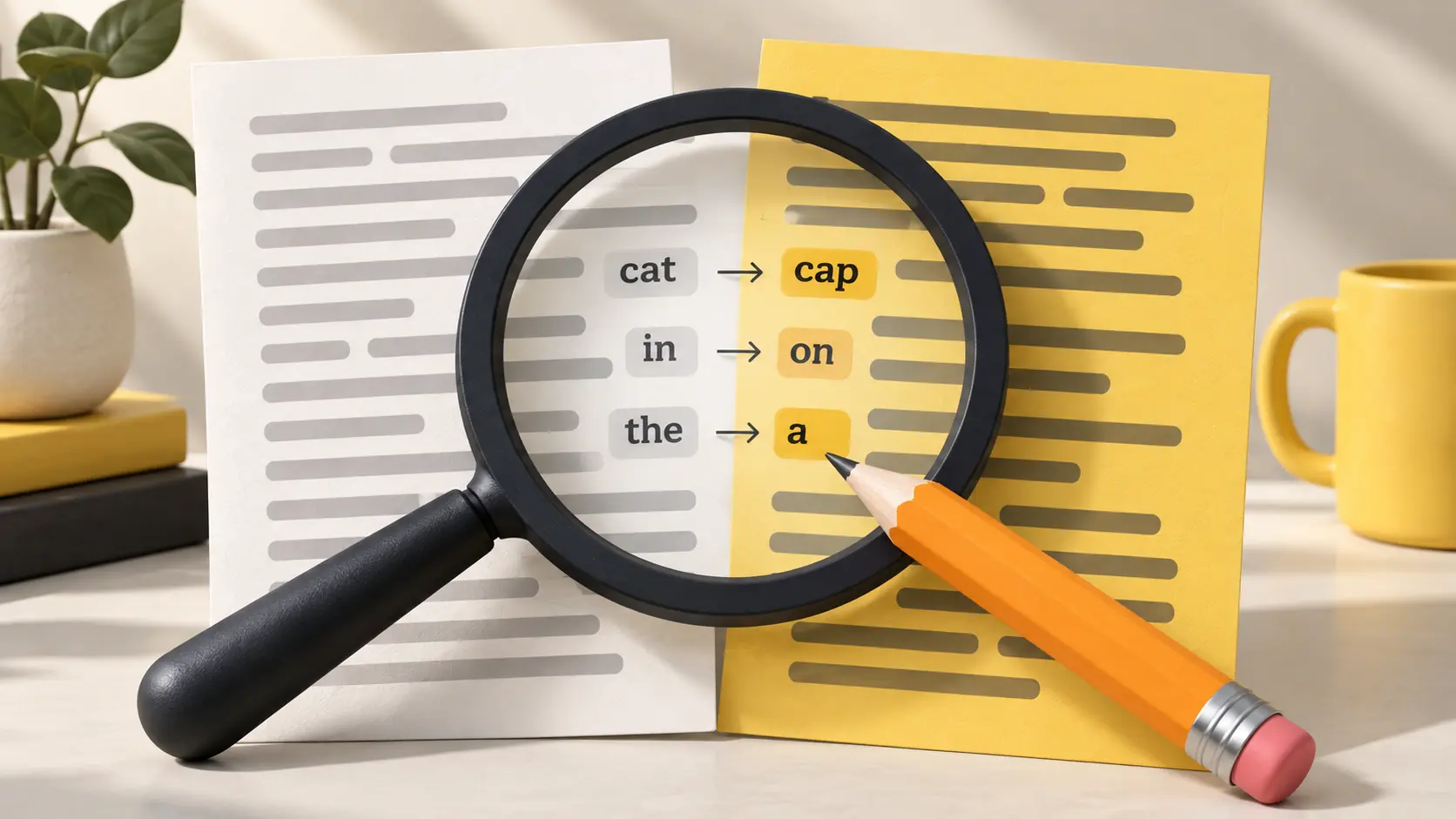
WER and CER for Transcription: Error Accounting, Normalization and Task Risk
Word error rate and character error rate are useful measurements of transcription differences, but neither is a complete acceptance decision. Their meaning depends on…
-

Transcript Summarization for Knowledge Work: Evidence, Decisions and Reusable Notes
Abstract Transcript summarization should produce more than a shorter version of a conversation. Knowledge work needs a usable connection between the source record, semantic…
-

Multilingual Transcription vs Speech Translation: Languages, Tasks and Evaluation
Abstract Multilingual media requires a clear distinction between a source transcript and a translated deliverable. Recognition preserves speech as text in its original language;…
-

SRT vs WebVTT: Timing, Readability and Reliable Caption Delivery
Abstract Choosing between SRT and WebVTT is a question of format compatibility, not a contest over transcription accuracy. A reliable caption asset combines valid…
-

Speaker Diarization for Interviews: Attribution, Overlap and Review
Abstract An interview transcript can contain the right words and still assign a decisive answer to the wrong person. Speaker diarization organizes speech by…
-
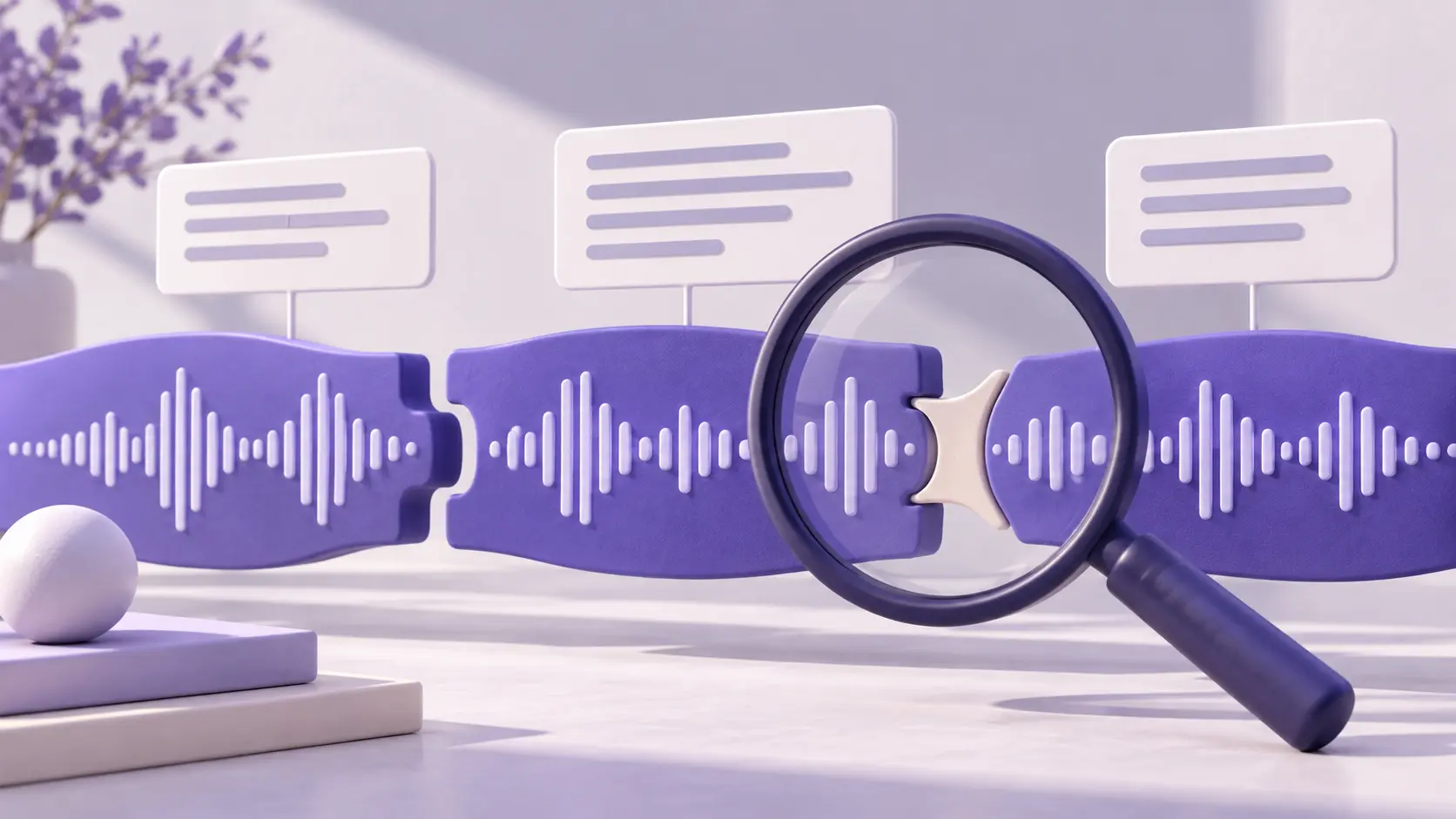
Long-Form Audio Transcription: Segmentation, Context and Quality Control
Abstract Long-form audio transcription is a continuity problem, not simply a larger upload. Reliable delivery depends on segmentation, voice activity detection, decoding context, time…
-

AI Video Transcription: From Speech Recognition to Verifiable Content Workflows
Abstract Video transcription does more than turn speech into text. It makes courses, interviews, and training materials easier to locate, review, and reuse. A…